
From the Press release:
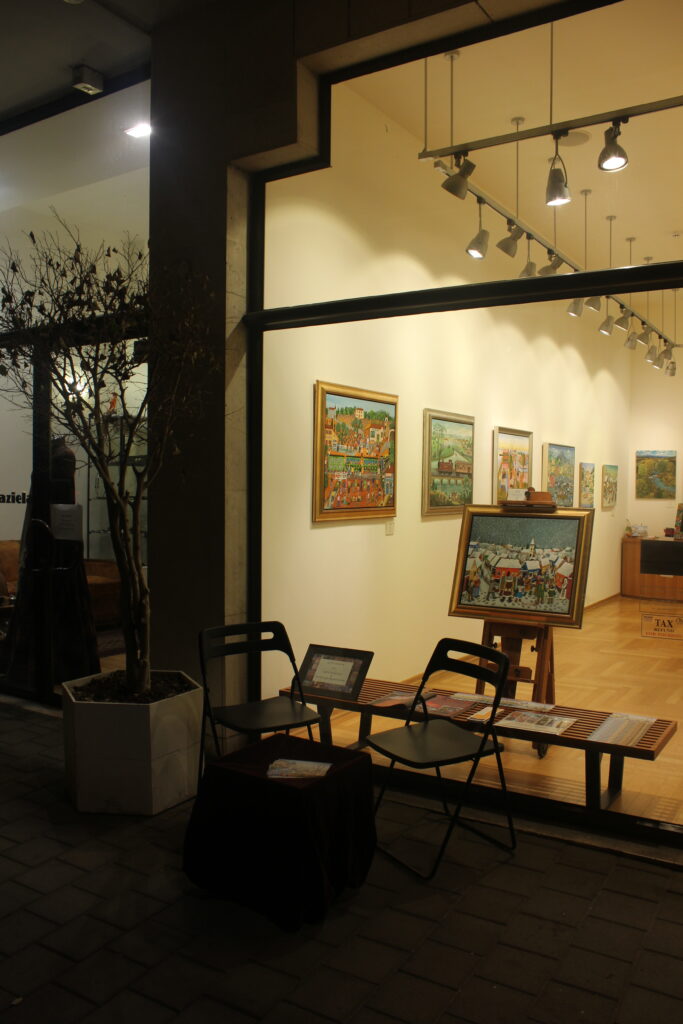
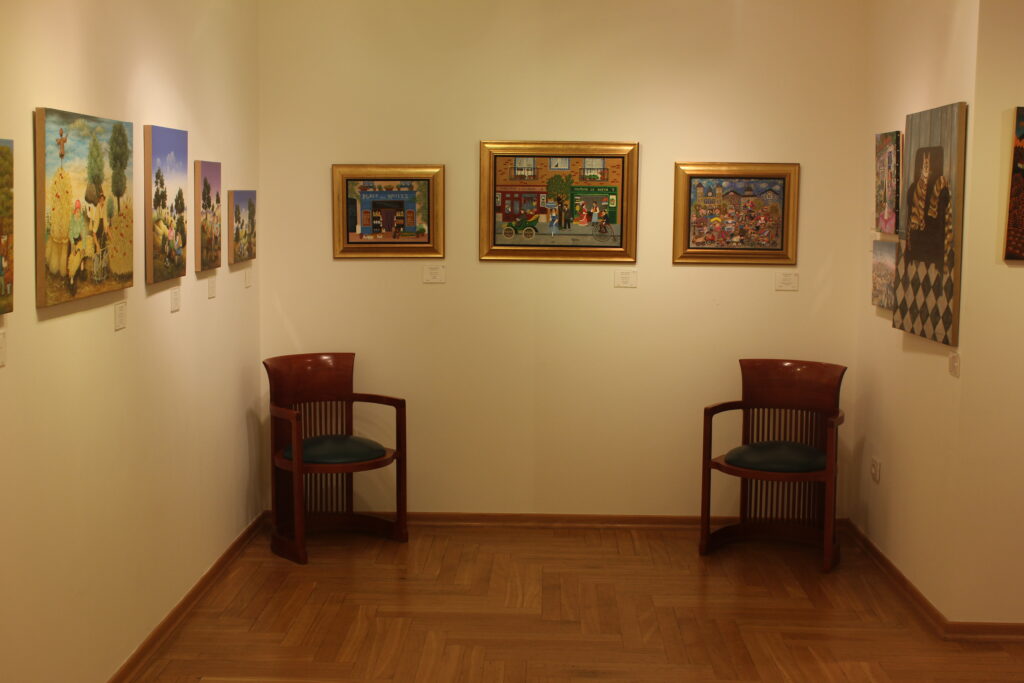
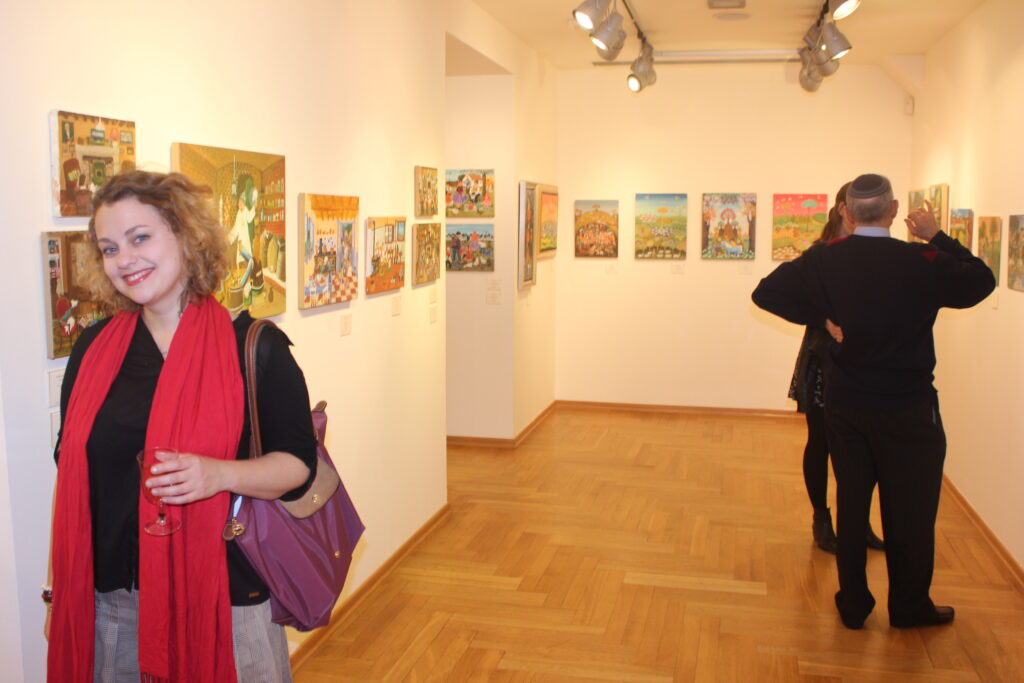
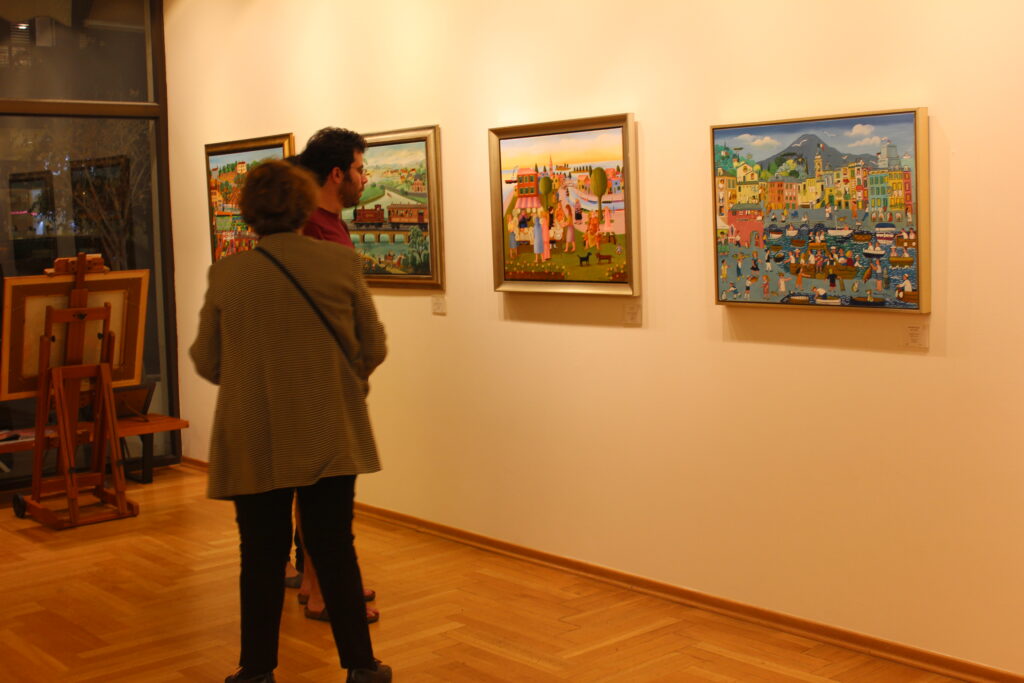
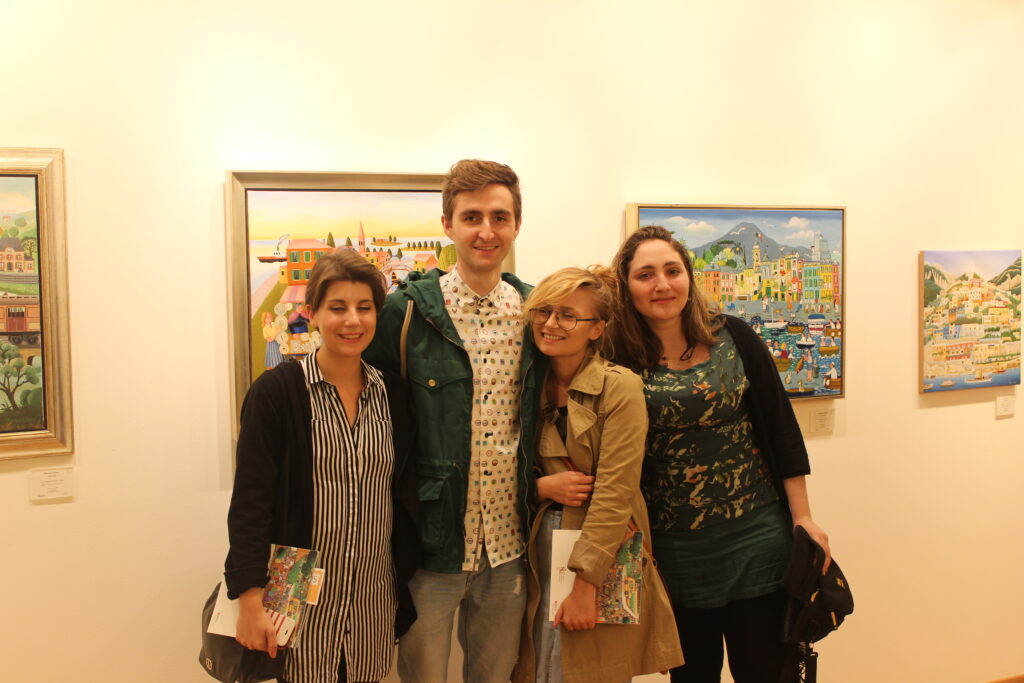
GINA Gallery’s new exhibition, “Postcards From the Past: The Naïve Art of Europe”, includes newly-acquired artworks of more than 50 artists from 16 countries in Western and Eastern Europe.
Not surprisingly, the naïve art of these countries features all of the elements that characterize the genre: heartwarming colors and punctilious detail; childlike perspective and scale; refreshingly-innocent, easily-understandable, idealized scenes of everyday life; and all accomplished by a self-taught artist seeking to celebrate the human narrative.
The latter characteristic, however, by highlighting the contrasting cultures, traditions and histories of the various countries, results in artworks with remarkably different subjects and styles. In Western Europe, and particularly In France, Henri Rousseau’s and Paul Gauguin’s freedom of expression, coupled with their search for the harmonious relationship between Man and Nature, became the inspiration for the following generations of naives, and their influence continues to be felt through the present day.
Belgium’s rich art history and tradition, along with its familiar sites and architecture, form the backdrop for the freshness and elegance of the country’s naivism. The timeless charm and simplicity of Belgium’s lakes and legends, towns and castles, homes and gardens, provide irresistible temptations and satisfactions for these artists, whether Flemish or Walloon.
The naïve art of The Netherlands romanticizes the peaceful interaction between nature, mankind and the animal kingdom. A moodiness predominates, with cheerful sweetness in one work replaced by melancholy solemnity in another. Although the country’s grey weather is palpable in much of the artworks of the Dutch naïve artists, an exceptional feeling of light prevails – both in the riveting portrayals of idealized memories and in the powerful scenes of dramatic events.
Turning to Scandinava, the frosty climate and sunless hours surely play an important role in the subjects dominating the artworks of the local naives. That said, one finds that each of these artists “marches to the tune of a different drummer”. While many of Finland’s naïve artists portray snow-filled Arctic scenes and local wildlife with great intellect and consideration, others turn to sun-drenched scenes of busy squares and children at play. Although certain naives of Sweden render impressionistic landscapes or precisely-drawn, suburban neighborhoods, others provide us with whimsical “happy hours”, jazz cafes and mouth-watering confections. And although, generally, the naives of Denmark concentrate on the architecture and daily life of their famous cities and towns, several turn for inspiration to Bible stories and the creeds and deeds of the local fishermen.
Moving southward, while the naïve artists of Spain proudly portray their county’s history, architecture and gardens as well as its traditional ceremonies and famous squares, the naïves of Portugal lovingly depict their native soil, toiling farmers, sparkling villages and cloudless horizons – a joyous marriage of man, earth and sky. Similarly, the naives of Italy pay homage to their local regions, with earthy depictions reflecting a love of the Italian village, countryside and common folk.
Turning to Eastern Europe, the naïve art of Croatia often depicts (for historical reasons) the harsh reality of the peasants’ lot, and yet somehow preserves a refreshingly innocent and idealized view of everyday life. In contrast, the naives of Serbia emphasize life’s celebrations – fairs, weddings and festivals – and fill their canvases with abundant crops, colorfully-dressed maidens and dancers, and sun-soaked skies. In Hungary, prevalent themes include the village, fields, vineyards, gardens and barnyards. Human figures fill the scene, and an elementary realism, gentle lyricism, and childlike purity prevail. In Romania, the naïve art is imbued with folkloristic and decorative elements, but also includes the common themes that we see throughout the region: village life, rural activities, picturesque festivals. Similarly, Russia’s naivism contains many of the traditional characteristics of the genre: vibrant colors, child-like perspective and a lyrical affection for the town and riverbank, and especially for the land – and those who plow, sow and harvest